Lisbon is once again preparing to host Web Summit, bringing together the world’s leading innovators, founders, and tech giants. While a quick glance at the schedule highlights artificial intelligence, robotics, and big data, a deeper look reveals a profound shift happening in the audio world. The future of the music industry is no longer being shaped exclusively in recording studios; it is being coded, debated, and funded on the tech stages.
The AI Audio Explosion Artificial intelligence will undeniably dominate the conversations across the Altice Arena, and the music industry is caught right in the crossfire. Generative AI for music has moved from a novelty to a disruptive force. Panels and keynotes will dive heavily into the ethics of voice cloning, copyright battles over AI-trained datasets, and the emergence of smart algorithms that assist in songwriting and mastering. Web Summit will serve as the battleground where tech developers and copyright advocates hash out the new rules of music creation.
Rewiring the Creator Economy With traditional streaming payouts continuing to frustrate independent artists, Web Summit’s Creator Economy tracks will showcase the next generation of artist monetization. The discussions will center on shifting power back to the creators. Attendees can expect deep dives into decentralized music platforms, micro-subscription models, and direct-to-fan community tools. The narrative at this year's event is heavily focused on alternative revenue streams that allow musicians to build sustainable careers outside the major label ecosystem.
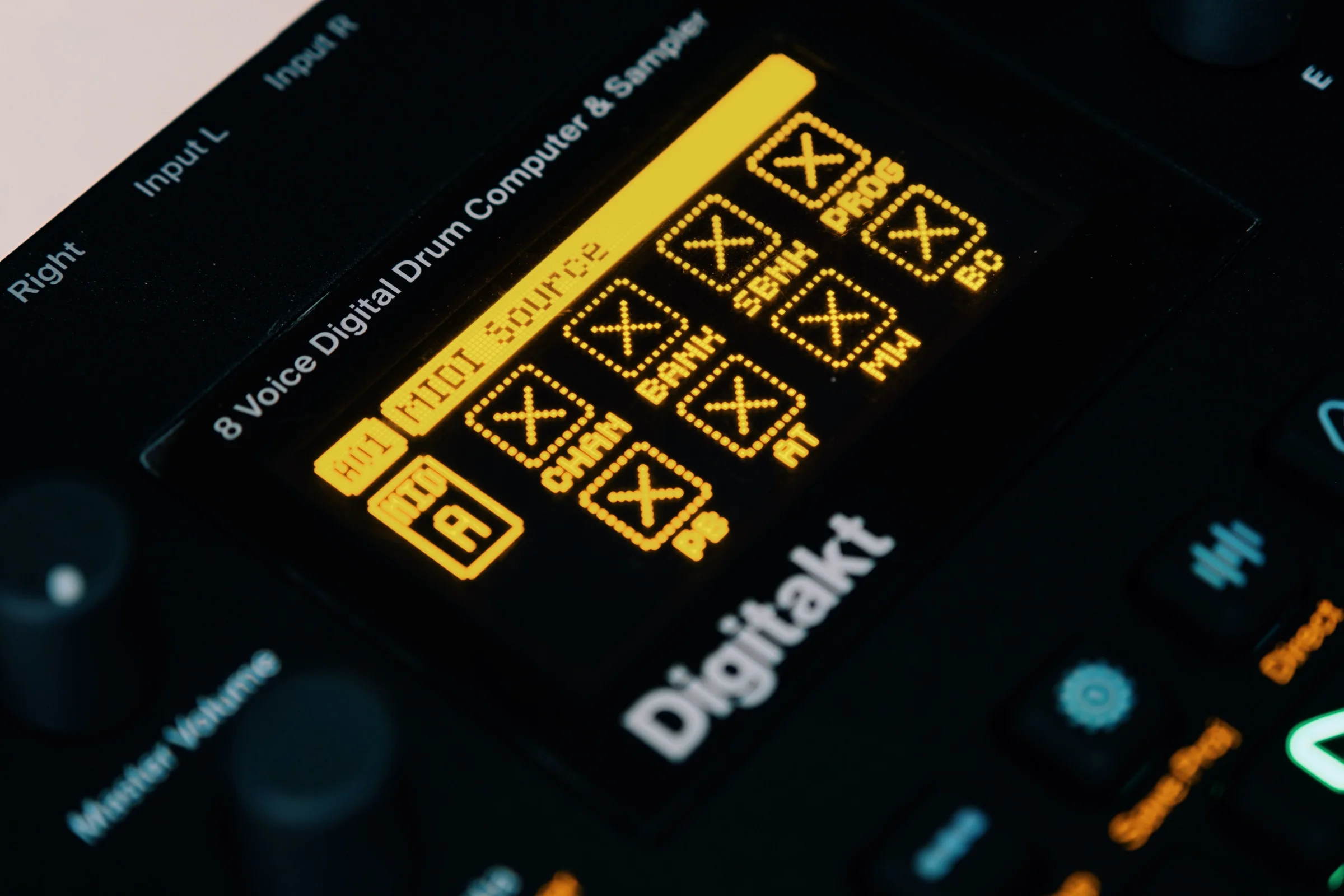
The Next Generation of MusicTech Startups Beyond the main stages, the startup exhibition floors will be a glimpse into the future of sound engineering. Among the thousands of early-stage companies, MusicTech startups will be pitching revolutionary tools. The trends this year point toward advancements in spatial audio, collaborative cloud-based DAWs, and AI-driven plugins designed to streamline the mixing process. This is where the foundations for the next Spotify, Ableton, or Splice are being built.
The Evolution of Live Entertainment Live music is also getting a technological upgrade. Discussions in the Entertainment and Media tracks will explore the integration of augmented reality (AR) and virtual reality (VR) in live performances. From immersive concerts built inside video game engines to hybrid live-streaming technologies that connect global audiences to intimate venues, the event will highlight how the physical and digital touring worlds are merging.
Ultimately, Web Summit is set to prove that technology is not replacing the artist; it is building an entirely new instrument. For the music industry, the discussions happening in Lisbon will define the tools, platforms, and legal frameworks that creators will rely on for the next decade.