The music market is tightening, with a recent study showing that many UK fans are cutting back on live events because of cost pressures. At the same time, a wave of artist‑run imprints and AI‑driven workflow tools is giving newcomers affordable pathways to create, polish and distribute tracks. This guide walks you through each step, from choosing the right home for your music to using AI for faster composition and launching a release on a shoestring budget.
Why DIY is more viable than ever – market shifts and cost pressures
The latest Mixmag analysis reveals that more than a third of British music fans are now trimming their nightlife budgets, with live shows being the first expense to go. This contraction is not limited to big‑ticket festivals; even regular club nights are seeing lower attendance as listeners prioritize essential costs. The ripple effect is a tighter cash flow for promoters and venues, which in turn pushes emerging artists to look for cheaper ways to reach audiences without relying on costly gig circuits.
At the same time, the digital ecosystem has expanded the toolkit for low‑budget releases. Platforms such as Bandcamp allow creators to sell directly to fans, keeping a larger share of revenue, while artist‑run imprints often operate on a revenue‑share model that eliminates upfront pressing fees. Because fans are spending less on tickets, they are more willing to support artists through direct purchases, subscription bundles, or limited‑run merch, turning the reduced live‑event spend into a new revenue stream for DIY musicians.
- Focus on digital sales and fan subscriptions to offset lower gig income
- Leverage revenue‑share imprint deals that require no upfront pressing costs
- Offer limited‑edition merch bundles that appeal to cost‑conscious fans
Choosing the right home for your music: artist‑run imprints vs. self‑release platforms
When an emerging producer looks for a home for a release, the first decision is whether to join an artist‑run imprint or to go straight to a self‑release platform such as Bandcamp. Imprints that are newly launched by established artists often promise mentorship, curated playlists and a built‑in community. For example, the Italian duo behind Mathame recently announced NEO Records as a space where fresh talent can develop, ideas can be nurtured and a collective vibe can emerge through music. This kind of label can give a newcomer credibility, access to the founder’s network and occasional promotional pushes that would be hard to generate alone.
On the other hand, Bandcamp remains the most straightforward route for total creative control and immediate revenue. A self‑released EP like The Mellowtrons’ DUB da Beat shows how an artist can put a four‑track collection directly to listeners, preserving 100 % of sales after the platform’s modest cut. Bandcamp also offers tools for pre‑orders, merch bundles and fan‑to‑fan sharing, which can turn a modest release into a steady income stream without any label overhead. The trade‑off is that the artist must handle all marketing, distribution logistics and audience building themselves, which can be time‑consuming but also builds valuable DIY skills.
Choosing between these paths depends on where you are in your career and what you need most right now. If you value mentorship, a ready‑made audience and the chance to be part of a label’s narrative, an imprint like NEO Records may accelerate exposure. If you prefer full ownership, flexible pricing and the ability to experiment without external constraints, Bandcamp gives you that freedom while keeping costs low. Weigh the level of support you require against the desire for autonomy, and consider testing both models on separate releases to see which aligns best with your artistic and financial goals.
- Assess whether you need label mentorship or full creative control
- Check the imprint’s track record for promoting new artists
- Calculate Bandcamp’s revenue split versus potential label advances
- Plan a small pre‑order campaign on Bandcamp to gauge demand
- Use the first release as a test case to compare audience reach
Creating tracks faster with AI: practical workflow with MIDI Agent
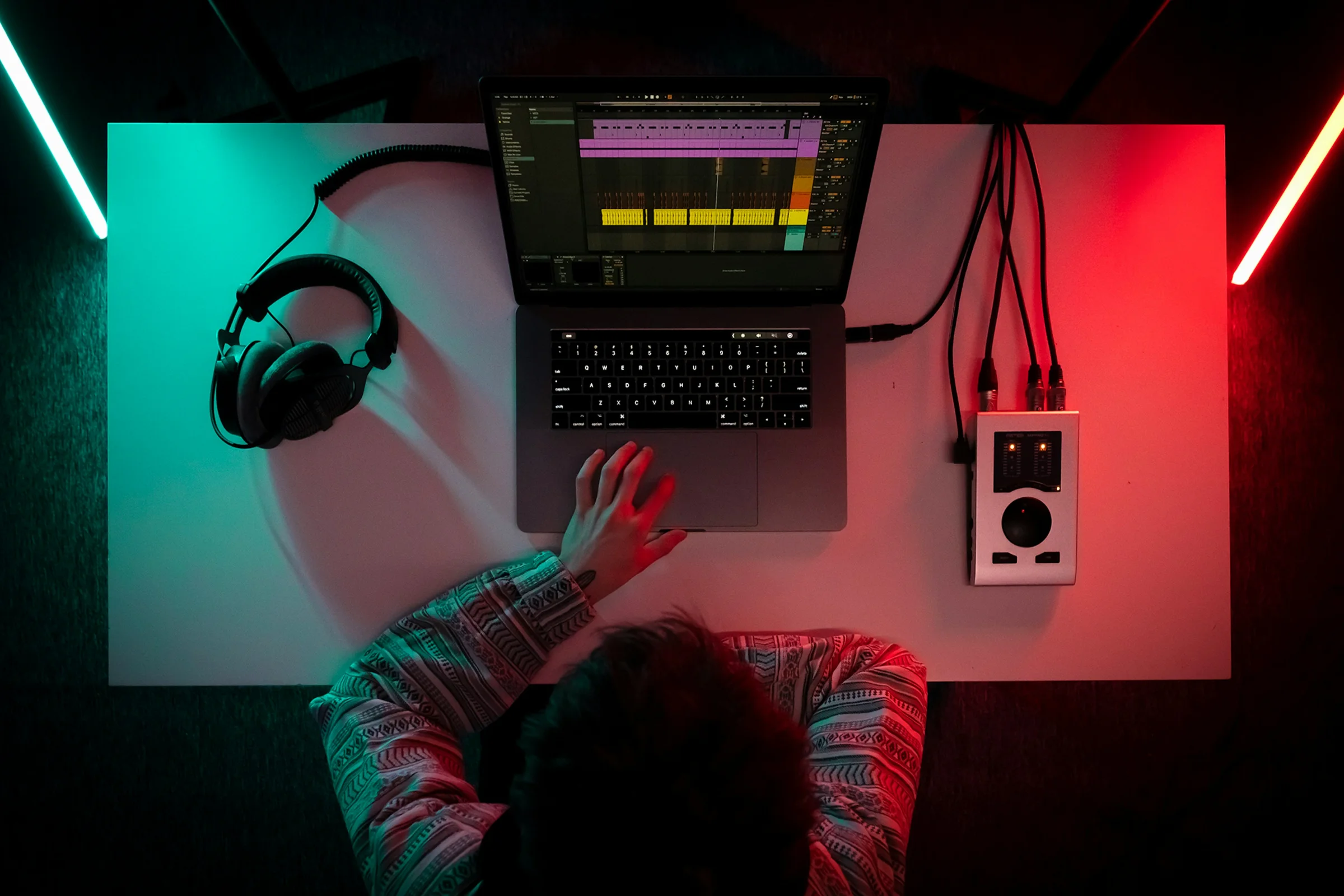
Integrating an AI‑driven MIDI generator such as MIDI Agent can shave hours off the early stages of a track. Start by laying down a simple drum loop that defines the groove and energy, then open the piano roll and let the AI suggest chord progressions and melodic fragments that match the rhythmic feel. Because the tool works off the existing tempo and key, the generated material slots directly into the session, letting you focus on sound design rather than note‑by‑note composition.
Once the AI outputs a set of ideas, treat them as sketches: audition each phrase, keep the parts that spark a vibe, and edit the remaining notes to fit your style. A quick way to keep the workflow lean is to assign the AI to a dedicated MIDI track, route it through a basic synth, and bounce the result to audio for further processing. This approach preserves the spontaneity of the AI while giving you full control over arrangement and processing.
To avoid over‑reliance on the generator, set a limit of one or two AI‑generated sections per track and fill the rest with manually programmed elements. This balance ensures the final product still reflects your artistic fingerprint while benefiting from the speed boost. The result is a hybrid composition where the AI handles the initial harmonic scaffolding and you refine the details, leading to faster turnaround without sacrificing originality.
- Start with a drum loop to lock in tempo and groove before invoking MIDI Agent
- Route the AI‑generated MIDI to a simple synth and bounce to audio for easy editing
- Select only the strongest AI phrases and edit the rest to match your style
- Limit AI contributions to one or two sections per track to retain personal touch
- Use the bounced audio as a reference for later mixing and mastering
Polishing your sound on a budget – mastering tips and affordable gear
When cash is tight, mastering doesn’t have to mean booking a pricey studio. Start by treating your mix as the final product: clean up any low‑end rumble, tame harsh peaks, and leave enough headroom for a gentle boost later. Simple EQ and multiband compression plugins that come bundled with most DAWs can do most of the heavy lifting, especially when you reference tracks that sound the way you want yours to. A good practice is to export a flat‑lined stereo file, then run it through a free or low‑cost mastering suite such as Ozone Elements or TDR Kotelnikov, adjusting only the broad tonal balance and limiting to just reach commercial loudness without squashing dynamics. If you prefer hardware, a modestly priced stereo compressor or a dedicated limiter can add punch without breaking the bank. Units like the DBX 160A or a used Behringer Mastering Compressor often sell for under $150 on the second‑hand market and provide reliable gain control. Pair them with a decent set of reference monitors or even high‑quality headphones; the goal is to hear subtle changes, not to chase an expensive room. Finally, test your final master on multiple playback systems – car stereo, phone speaker, club PA – to catch any frequency imbalances before you upload to Bandcamp or send to a label imprint.
- Use a flat‑response reference track while adjusting EQ
- Apply a single‑band limiter only to hit -0.5 dB true peak
- Invest in a used DBX 160A for affordable compression
- Check the master on at least three different playback devices
- Export at 24‑bit, then dither to 16‑bit for final distribution
Launching and promoting your release: leveraging label networks, Bandcamp tools, and community outreach
When you’ve secured a home for your track—whether that’s an emerging imprint or a direct Bandcamp upload—the next phase is to turn those connections into a launch engine. Start by informing the label’s existing mailing list and social channels about the release date; many small imprints already have a curated audience that trusts their curatorial taste, so a brief teaser with a short audio clip can generate early buzz. At the same time, set up a Bandcamp pre‑order page that includes a limited‑edition physical or digital bundle; the platform’s built‑in discount codes let you reward fans who purchase ahead of time, which also pushes the release higher in Bandcamp’s “new releases” feed. Use the EP by The Mellowtrons as a reference point: their self‑released DUB da Beat EP leveraged a simple Bandcamp page with clear artwork and a concise description, allowing listeners to discover the record through the site’s genre tags and related‑artist suggestions. Pair that with a coordinated outreach to niche blogs, local radio shows, and community Discord servers that focus on dub and experimental electronic music; a personalized pitch that mentions the EP’s specific sonic traits tends to get more attention than a generic press release. Finally, schedule a series of short social‑media posts—audio snippets, behind‑the‑scenes photos, and a countdown timer—to keep the conversation alive throughout the week leading up to the drop, and encourage fans to share the pre‑order link in exchange for a shout‑out or exclusive remix.
- Create a Bandcamp pre‑order page with tiered bundles and discount codes
- Notify the label’s mailing list and social followers with a teaser clip
- Pitch the release to genre‑specific blogs, radio shows, and Discord communities
- Schedule daily micro‑content (snippets, artwork, countdown) in the week before launch
- Offer a fan‑share incentive such as a shout‑out or exclusive remix
Key takeaways
- Rising living costs are pushing fans to seek cheaper music experiences, making DIY releases more attractive.
- Artist‑run imprints provide mentorship and community while still allowing you to retain creative control.
- AI tools like MIDI Agent can cut composition time dramatically, letting you focus on arrangement and sound design.
Sources
- Mathame launch new label, NEO Records, share single: Listen — DJ Mag, 26 Oct 2026 · our summary
- The Mellowtrons :: DUB da Beat EP (Self Released) — Igloo Magazine, 23 Oct 2026 · our summary
- AI MIDI Generator: Chords and Melodies with MIDI Agent — Magnetic Magazine, 23 Oct 2026 · our summary
- Over a third of Brits cut down on nights out and gigs amid rising costs, study finds — Mixmag, 22 Oct 2026 · our summary